Forklift tipping accidents pose a significant risk in various industries, leading to severe injuries and losses. According to the Occupational Safety and Health Administration (OSHA), forklift accidents account for nearly 85 fatalities and 34,000 injuries annually in the United States alone. Understanding "How to prevent forklift tipping accidents?" is crucial for enhancing workplace safety.
Industry expert Dr. James Anderson, a noted authority on forklift safety, states, "Proper training and adherence to safety protocols can drastically reduce forklift-related incidents." This underscores the importance of rigorous operator training and regular equipment maintenance. Companies must prioritize these aspects to foster a culture of safety.
While many organizations implement safety measures, challenges often remain. Ineffective training and neglecting equipment inspection can lead to lapses in safety. Awareness and commitment to improving safety standards are essential. Addressing these shortcomings can significantly minimize the risk of accidents, ensuring a safer working environment for all.
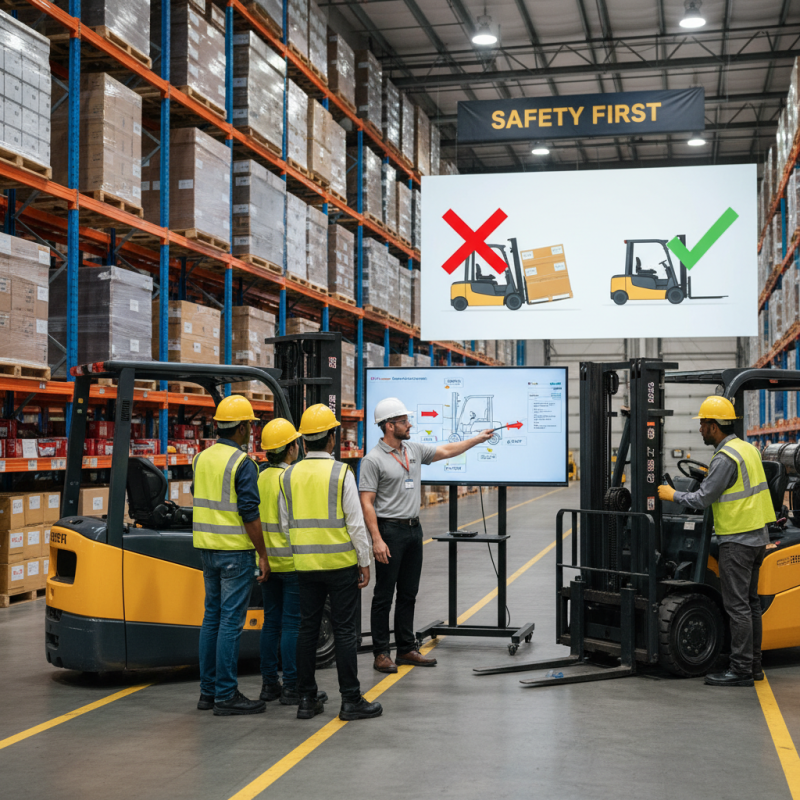
Forklift tipping accidents are a significant concern in industrial settings. According to the National Institute for Occupational Safety and Health (NIOSH), these accidents account for about 25% of all forklift-related fatalities. Understanding the common causes can help prevent these incidents. A major factor is improper load handling. Overloading or uneven stacking shifts the center of gravity, increasing the risk of tipping.
Another cause is lack of training. Many operators do not receive sufficient instruction on safe driving practices. NIOSH data shows that companies with comprehensive training programs see up to a 20% reduction in accident rates. Regular assessments are vital to ensure operators are updated on safety protocols.
**Tips for prevention include:**
- Ensure all loads are balanced and within the forklift’s weight limits.
- Conduct routine maintenance checks to ensure equipment is in good condition.
- Provide ongoing training and refreshers for all operators.
Operators must also be aware of their environment. Uneven surfaces, ramps, or obstacles can contribute to instability. Maintaining a safe driving speed improves control and reduces the likelihood of tipping. Address these dangers effectively to promote a safer workplace.
Training operators in safe forklift handling practices is crucial to prevent tipping accidents. Operators must understand the limits of their equipment. Regular training sessions should cover weight distribution, center of gravity, and handling techniques. Using visual aids can enhance understanding. Practical simulations can show the effects of improper handling.
Operators should receive ongoing training rather than a one-time session. This can reinforce safe practices over time. Incorporating real-life accident scenarios can be beneficial. Discussing what went wrong fosters critical thinking. Operators need to feel comfortable asking questions. A supportive environment encourages this.
Feedback from operators is essential for improvement. If an operator feels unsure, they should voice their concerns. Management should address these issues promptly. It is important to keep communication lines open. Safety should always come first; therefore, any lapses in training should lead to immediate reviews. Regular assessments can help ensure that the safety message remains fresh in every operator's mind.
Regular safety inspections and maintenance are critical in preventing forklift tipping accidents. According to the Occupational Safety and Health Administration (OSHA), almost 70% of forklift accidents occur due to improper maintenance. Frequent checks can identify issues before they lead to dangerous situations. Inspecting hydraulic systems, brakes, and tires can ensure operations run smoothly. Each year, approximately 1,000 workers are injured due to forklift incidents, highlighting the urgency of proper maintenance practices.
A study published by the National Institute for Occupational Safety and Health (NIOSH) emphasizes that nearly 25% of fatalities involved tipping incidents. Regular inspections can provide vital information about potential risks. It is essential to involve trained professionals who can accurately assess each forklift's condition. This may include checking for load limits, stability, and operator training requirements. By investing in thorough maintenance routines, organizations can significantly reduce the likelihood of accidents.
Additionally, maintaining a consistent inspection schedule can foster a safety culture within the workplace. Workers need to understand that safety is everyone's responsibility. Regularly reviewing safety procedures and maintenance records can also highlight areas for improvement. Engaging employees in discussions about safety can lead to invaluable insights. Trusting employees' feedback is often overlooked in many facilities. Prioritizing open communication about safety can lead to better outcomes for everyone.
Load management is crucial in preventing forklift tipping accidents. Proper techniques can enhance safety and efficiency on the job. It’s essential to understand the forklift's capacity and follow standards closely. Ensure that the load is balanced and centered. An unbalanced load increases the risk of tipping. Always check load height; keeping it low maintains stability.
Tips: Maintain a clear line of sight when maneuvering, especially around tight corners. Prioritize communication with team members while moving. Use spotters when necessary, as they help keep everyone safe. Consistently inspect the forklift before use. A faulty equipment may lead to unexpected accidents.
Consider training sessions for operators. Reinforce the importance of load weight awareness. This simple yet vital practice can significantly reduce tipping incidents. Reflecting on past accidents can shed light on common mistakes. Regularly review safety protocols; this ensures everyone stays vigilant. Even experienced drivers can misjudge a load. Consistent training creates a culture of safety.
Creating a safe work environment is crucial in preventing forklift tipping accidents. Proper traffic management plans help achieve this. Clearly marked pedestrian walkways and forklift routes can reduce confusion. Adequate signage is essential. Workers should be trained to recognize these signs. Safety meetings can reinforce safe practices.
Regular inspections of the worksite are necessary. Identify hazards, such as uneven surfaces or poor lighting. Develop a plan for addressing these issues. Ensure that all employees are aware of their surroundings while operating forklifts. Encourage communication between forklift operators and pedestrians.
Sometimes, accidents still occur despite precautions. It’s vital to learn from these incidents. Analyze the causes and make necessary adjustments to your safety protocols. This reflection can lead to improved safety measures. Create a culture where employees feel comfortable reporting potential risks. Building trust is important for a safer workplace.
| Safety Measure | Description | Implementation Status | Frequency of Review |
|---|---|---|---|
| Operator Training | Regular training sessions for operators on safe forklift operation and load handling. | Completed | Annually |
| Traffic Management Plan | Designated paths for forklifts, pedestrians, and vehicles to minimize congestion. | In Progress | Every 6 Months |
| Load Capacity Checks | Routine checks of load weights and forklift capacities before operation. | Ongoing | Monthly |
| Use of Safety Equipment | Mandatory use of seatbelts, warning lights, and mirrors on all forklifts. | Completed | Quarterly |
| Regular Maintenance | Scheduled inspections and maintenance of forklifts to ensure safe functioning. | Ongoing | Monthly |
: Training helps prevent tipping accidents by ensuring operators understand equipment limits.
Using visual aids and practical simulations can significantly improve understanding and awareness of handling techniques.
Operators need ongoing training, not just a one-time session, to reinforce safety practices.
Discussing real-life accident scenarios helps operators analyze mistakes and develop critical thinking skills.
Operators must voice their concerns; communication is key to addressing uncertainties promptly.
Proper load management stabilizes the forklift and reduces the risk of tipping accidents.
Maintain a clear line of sight and communicate with team members, using spotters when necessary.
Consistent inspections before use help ensure equipment is safe and functioning properly.
Operators should review past accidents to understand common mistakes and avoid them.
Even experienced drivers can misjudge loads; continued training keeps safety protocols fresh and relevant.
To effectively address the question of "How to prevent forklift tipping accidents?", it is essential to first understand the common causes behind these incidents. Factors such as operator error, improper load handling, and lack of maintenance can significantly increase the risk of tipping. Therefore, training operators in safe handling practices is critical, ensuring they are well-equipped to manage forklifts responsibly.
Additionally, implementing regular safety inspections and maintenance can help identify potential issues before they lead to accidents. Utilizing proper load management techniques—such as adhering to weight limits and securing loads correctly—further minimizes risks. Lastly, creating a safe work environment, which includes effective traffic management plans, is vital for reducing the chances of forklift tipping accidents. By combining these strategies, organizations can enhance safety and protect their workers.

Titan Forklift