Forklift operation is crucial in warehouses and industries, with approximately 80% of U.S. companies using them. However, issues can arise, such as a vibrating steering wheel. Many operators ask, "Why is my forklift steering wheel vibrating?" This question highlights a common yet often overlooked problem that can impact safety and productivity.
Vibrating steering wheels may indicate underlying mechanical issues. These can range from worn tires to a malfunctioning power steering system. According to industry standards, proper maintenance can reduce vibration-related problems by up to 50%. Operators often neglect regular inspections, leading to increased wear.
Understanding the reasons behind this vibration is essential. Not only does it affect handling, but it can also signal larger issues that require immediate attention. A vibrating steering wheel can compromise safety and efficiency in any operation. Addressing these concerns promptly ensures smoother operation and enhances overall performance.
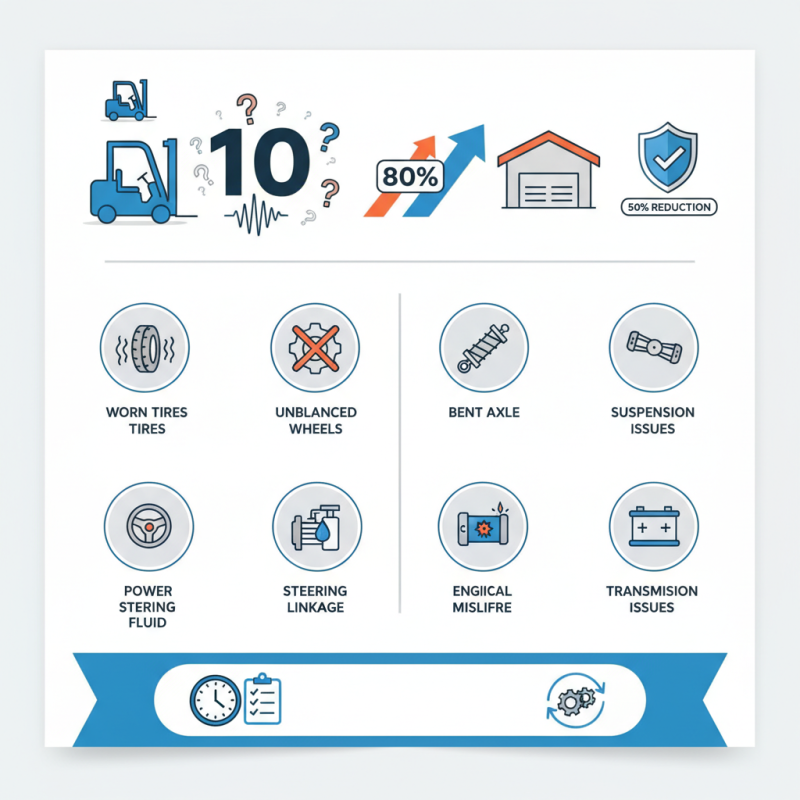
Forklift steering wheel vibration can be alarming. Many operators experience this issue, and understanding the common causes is crucial for safety and efficiency. One primary reason could be misalignment in the wheels. When wheels are not properly aligned, it creates uneven wear and leads to vibration during operation.
Another common culprit is worn or damaged steering components. This includes tires, bearings, and tie rods. If these parts are not in good condition, the steering wheel may shake. Additionally, hydraulic issues can contribute to steering problems. Low hydraulic fluid levels or contaminated fluid may cause the steering system to malfunction, leading to vibrations.
Tips: Regular maintenance checks are essential. Inspect your forklift's steering components frequently. This routine check can prevent minor issues from becoming significant problems. Ensure proper hydraulic fluid levels and replace any worn parts promptly. A well-maintained forklift is safer and operates smoothly.
Operators should be attentive to any changes in their forklift’s handling. If you notice unusual vibrations, do not ignore them. Address the issue immediately. A small oversight can lead to serious operational challenges later. Listen to your equipment; it often signals when something is wrong.
| Cause | Description | Recommended Action |
|---|---|---|
| Worn Steering Components | Components such as tie rods and bushings may wear out and cause vibrations. | Inspect and replace worn parts. |
| Misalignment | The steering alignment may be off, causing uneven tire wear and vibrations. | Perform a wheel alignment check. |
| Unbalanced Tires | Improperly balanced tires can lead to vibration in the steering wheel. | Balance the tires as necessary. |
| Low Hydraulic Fluid | Low fluid levels can lead to poor steering response. | Check and refill the hydraulic fluid. |
| Damaged Steering Gearbox | A faulty gearbox can cause erratic steering and vibrations. | Inspect and replace the steering gearbox if needed. |
| Tire Condition | Worn or damaged tires can cause vibrations during operation. | Inspect tires for damage and replace if necessary. |
| Loose Hardware | Loose nuts and bolts can lead to steering components moving erratically. | Tighten all loose hardware. |
| Defective Power Steering System | Issues with the power steering pump can result in vibrations. | Inspect the power steering system and repair as needed. |
| Suspension Problems | Faulty suspension can affect vehicle stability and cause vibrations. | Evaluate and repair suspension components. |
| Incorrect Tire Pressure | Too high or low tire pressure can lead to uneven wear and vibration. | Check and adjust tire pressure to manufacturer specs. |
: Vibration often results from worn or damaged steering components, poor maintenance, or age.
Proper maintenance can extend the life of steering components by 30%, reducing vibration incidents.
Ignoring vibrations can lead to loss of vehicle control and increase the risk of accidents.
Worn or damaged tires lead to significant vibration and compromised stability in forklifts.
Operators should look for visible damage, uneven wear, and check tire pressure regularly.
Off-center loads alter the center of gravity, destabilizing the forklift and causing excessive vibrations.
Regular checks for load center of gravity and surface conditions are essential for safety.
Regular tire maintenance improves performance, prevents vibration, and enhances overall productivity.
Operators must be vigilant and conduct routine inspections to identify and address steering issues.
Uneven surfaces can exacerbate steering vibrations, leading to operator fatigue and discomfort.
If you're wondering, "Why is my forklift steering wheel vibrating?", there are several common causes to consider. Worn steering components can lead to increased vibration, affecting the overall handling and safety of the forklift. Additionally, the condition of the tires plays a crucial role; damaged or improperly inflated tires can create instability, amplifying any steering issues.
Moreover, load displacement is another factor; an unevenly distributed load can significantly impact steering stability, resulting in noticeable vibrations. It's also essential to maintain proper forklift alignment to ensure smooth steering performance. Regular checks and maintenance of these aspects can greatly reduce vibration and enhance operational efficiency. Understanding these factors can help you identify and address the underlying issues contributing to the vibration in your forklift's steering wheel.

 Titan Forklift