Titan Forklift
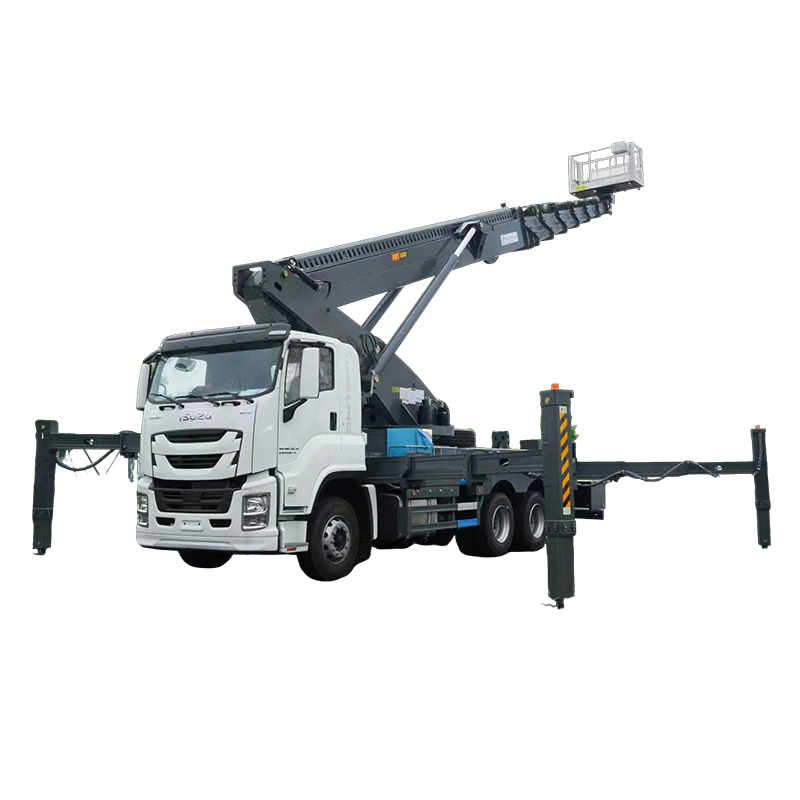
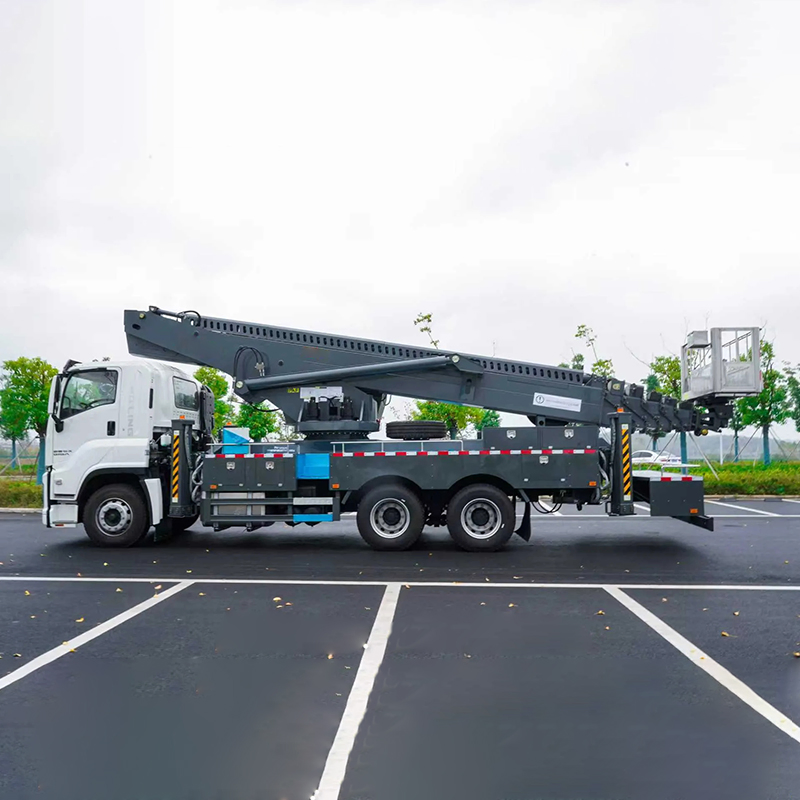
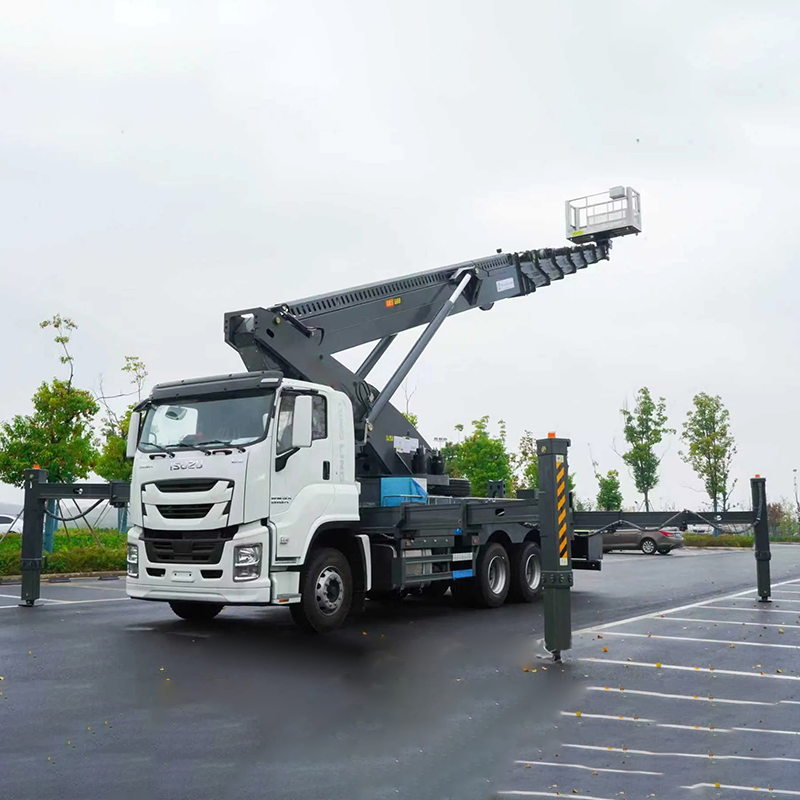
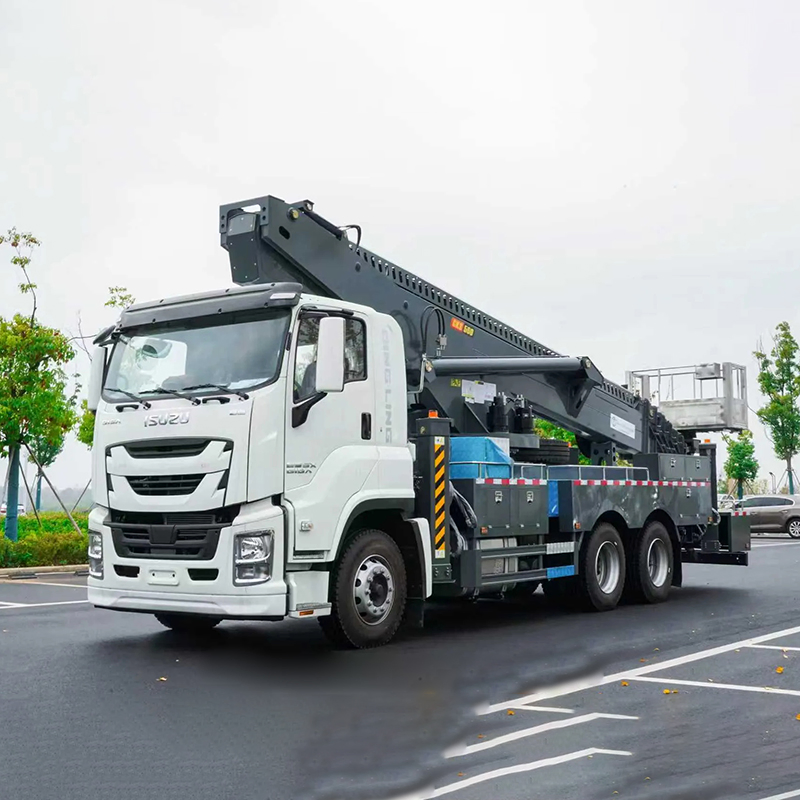
1 / 5
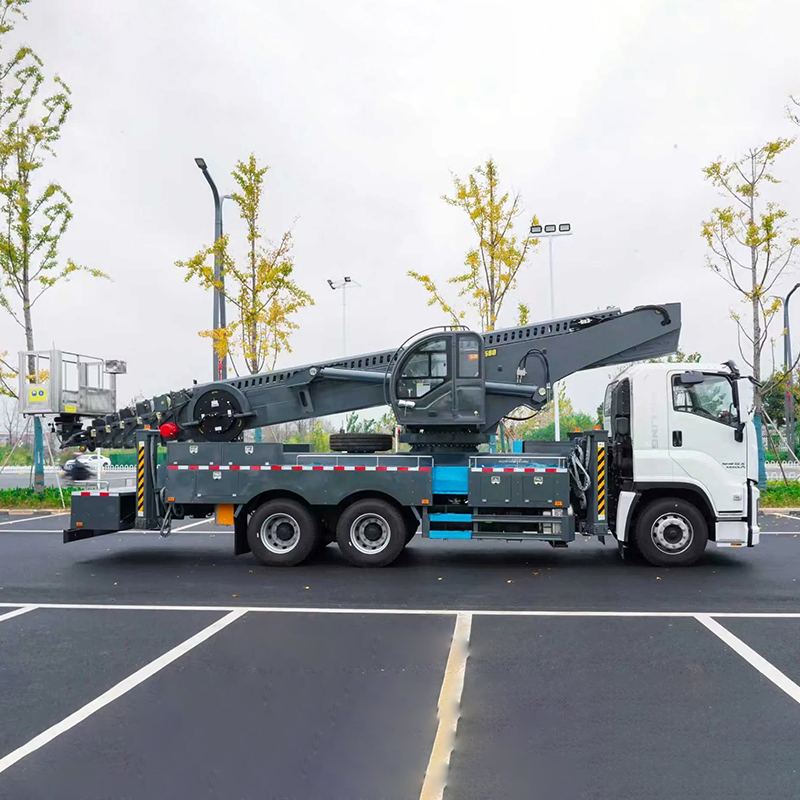
| Chassis | I-SUZUJUKA |
| Curb Weight | 19600KG |
| Engine | 4HK1-TCG60 I-SUZU (5.193L 205HP) |
| Wheel base | 5550mm |
| Outline dimension | 10400mm * 2550mm * 3900mm |
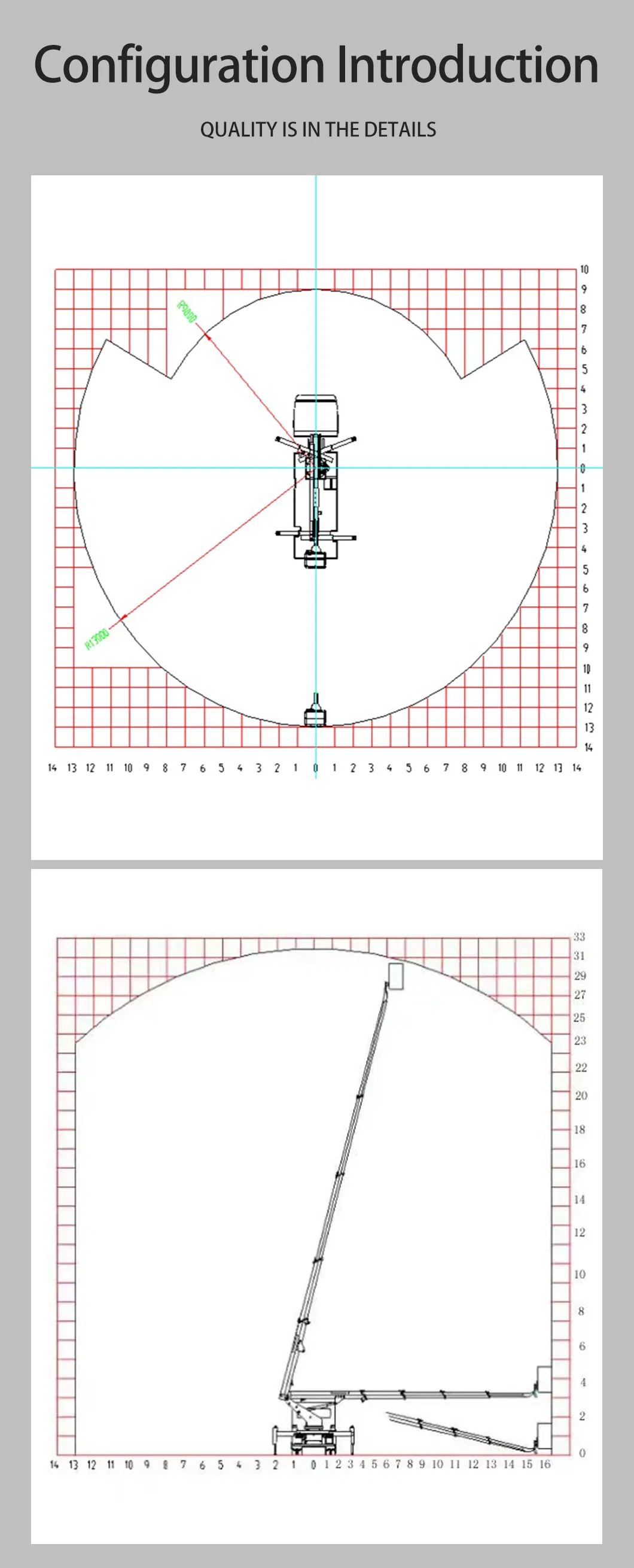
| Maximum operation height | 60m |
| Maximum range of work | 27m |
| Rated load of platform | 400kg |
| Arm frame rotation Angle | 360° |
| Platform size | 3200mm * 1000mm * 1100mm |
| Big arm | 9-section arm, 8-section synchronous telescoping |
| Hydraulic system | Electro-hydraulic proportional valve, emergency power source |
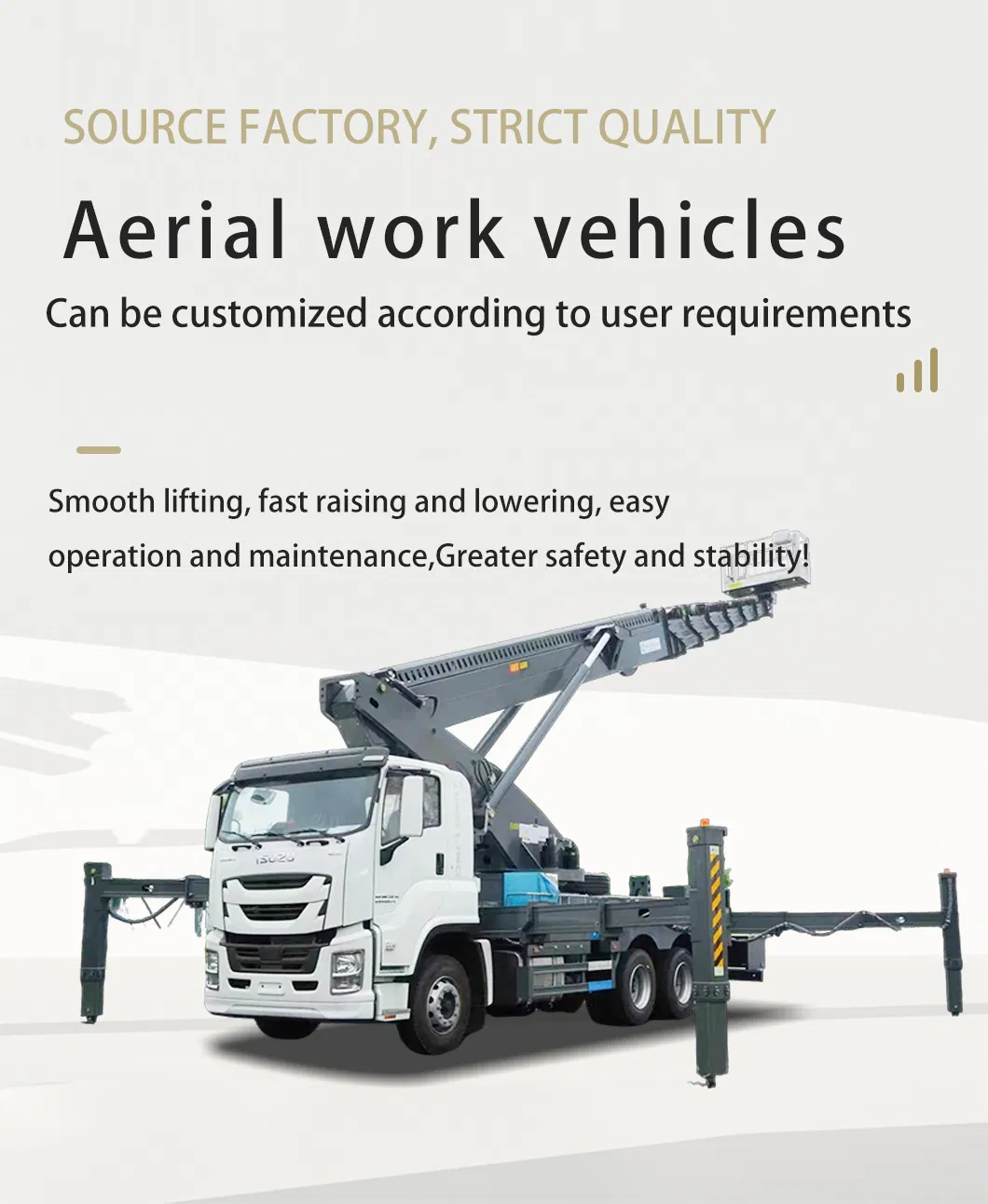
| Hydraulic leg | X-shaped, 4 three-section outriggers |
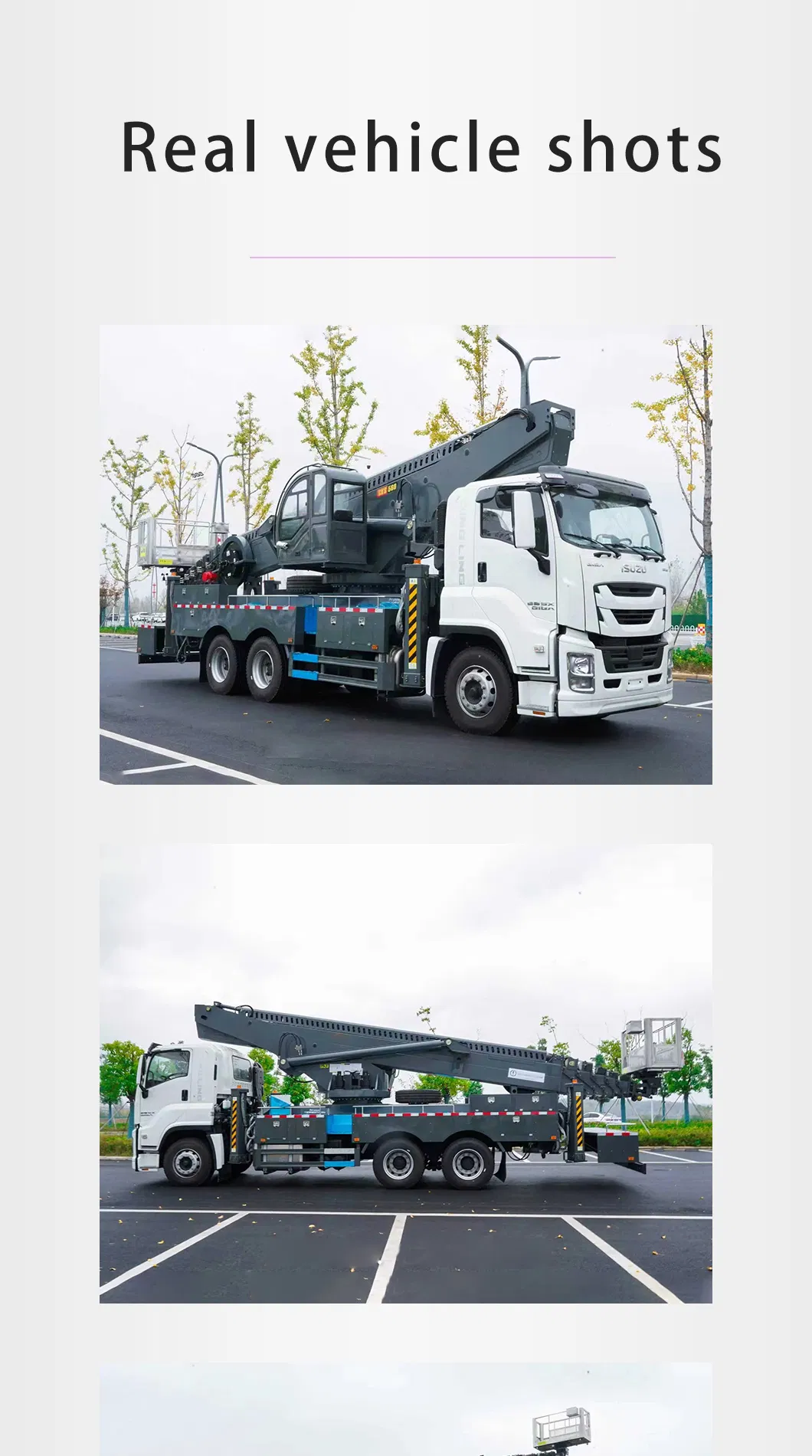
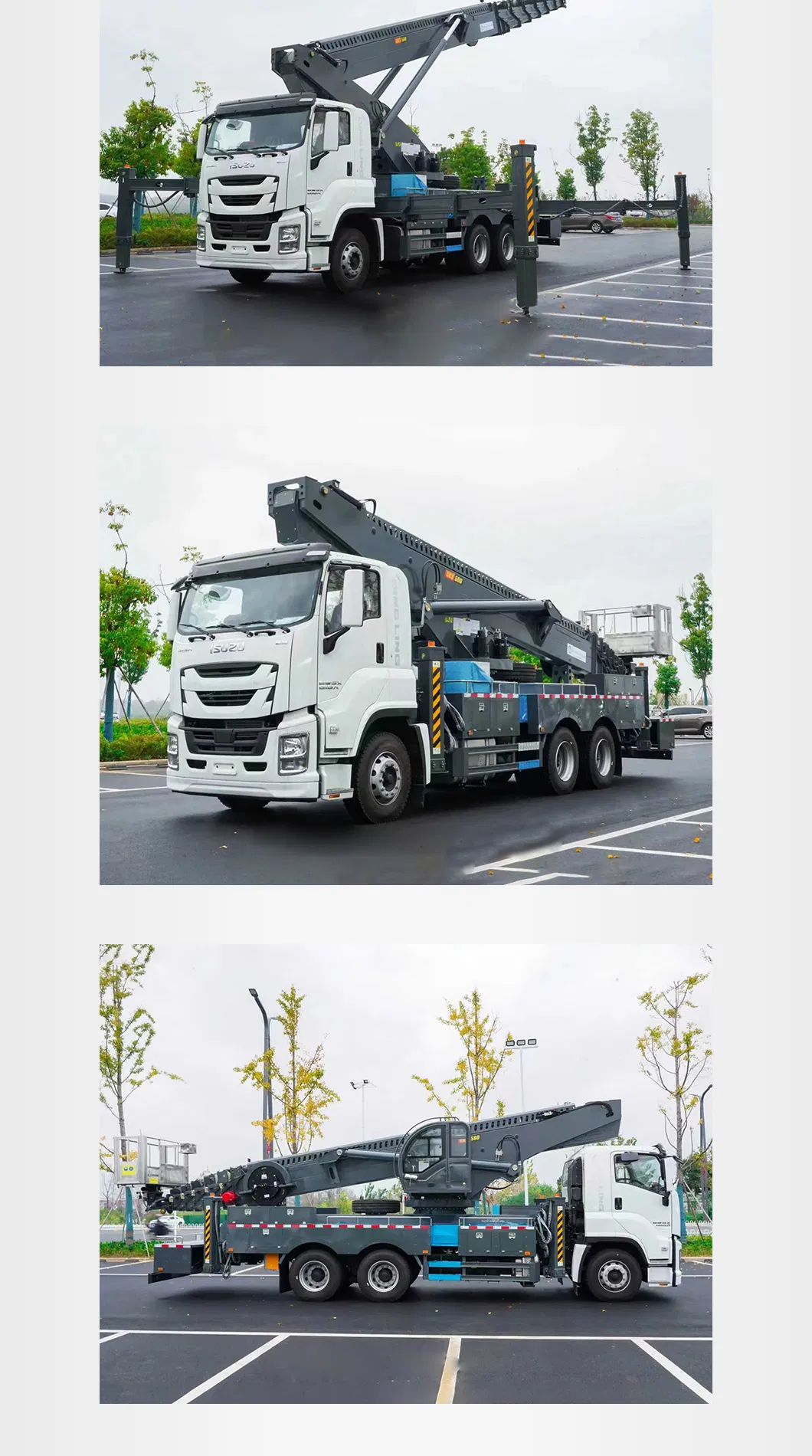
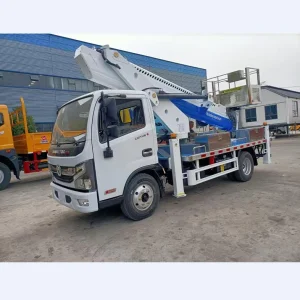
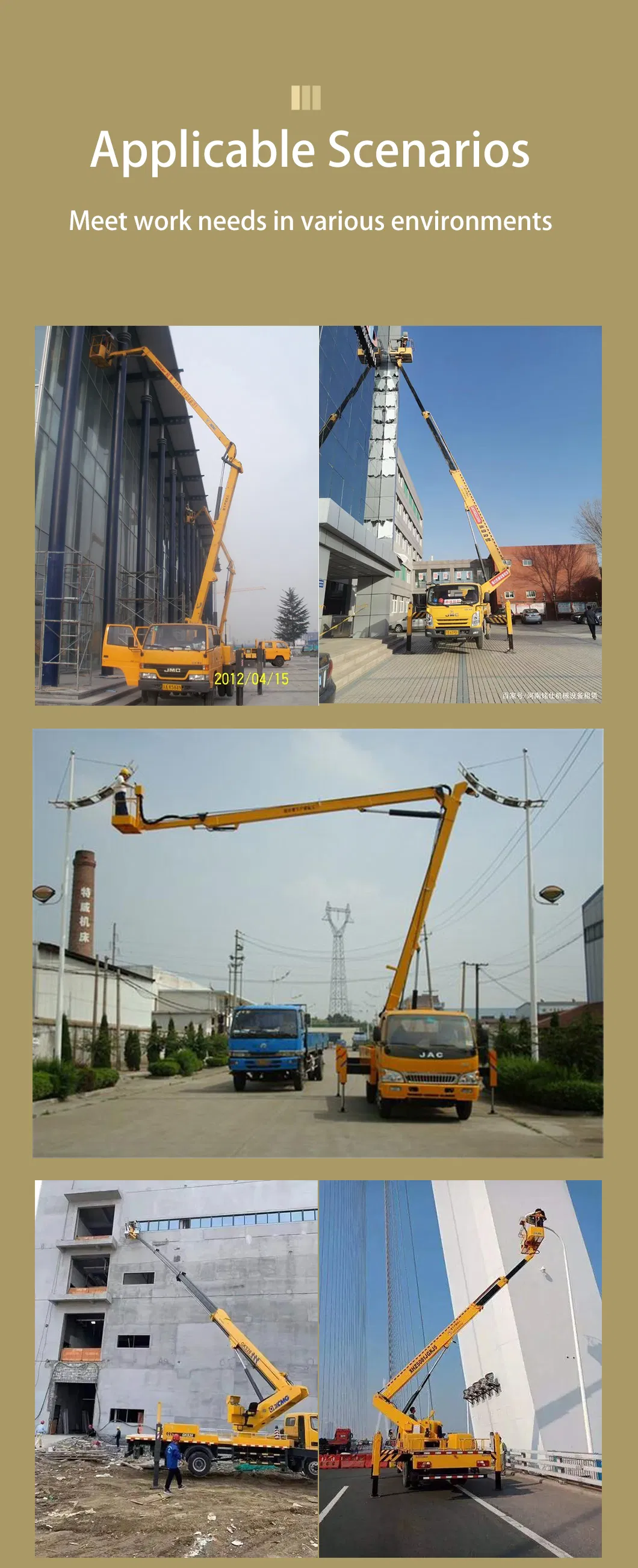
Aerial work vehicles are special engineering vehicles used for high-altitude operations. They use mechanical devices to lift operators and equipment to the required height to complete maintenance, installation, cleaning and other tasks. The design combines the mobility of the car chassis and the functionality of the aerial work platform. It is an efficient operating equipment that integrates multiple functions such as lifting, rotation, and telescopic.
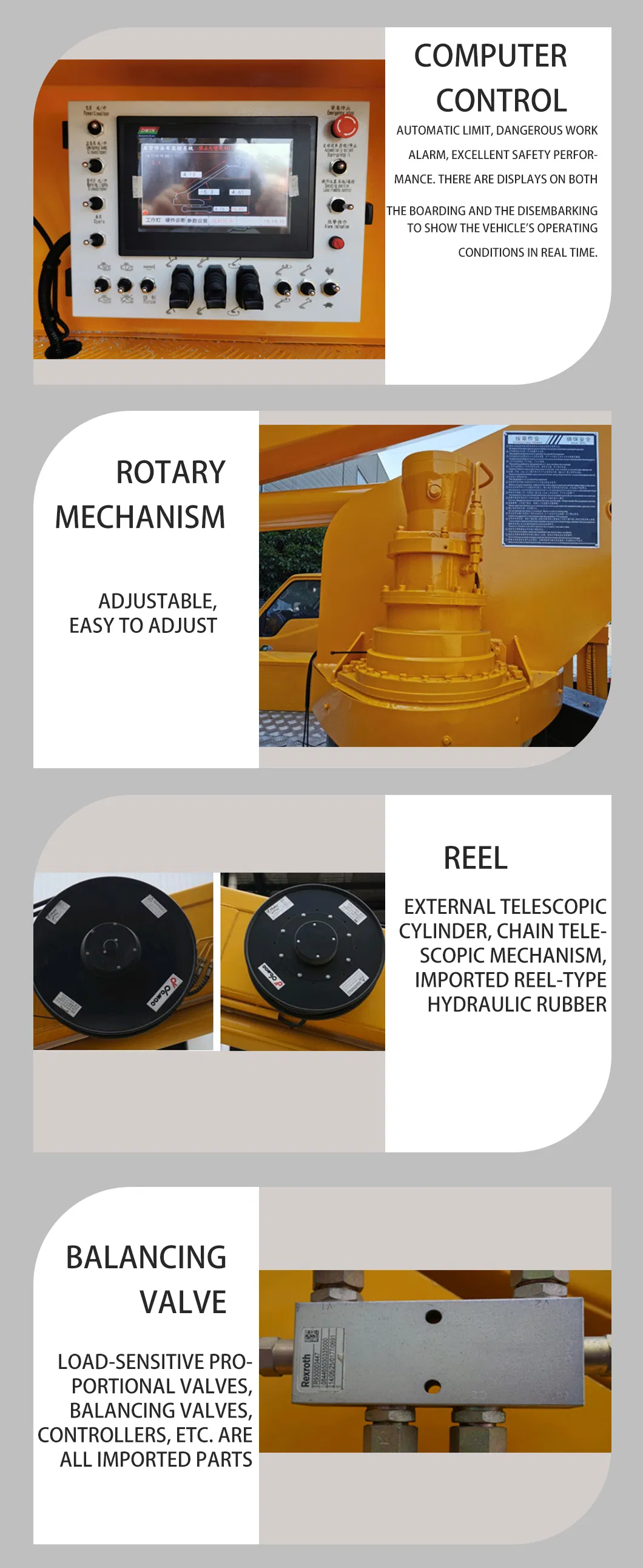
Modern aerial work vehicles are usually equipped with intelligent control systems, which are easy and precise to operate. Through the control panel or remote control device, operators can easily complete lifting, rotation, telescoping, and other operations. Some equipment also has functions such as automatic balancing and fault alarm, further improving the convenience and safety of operations.
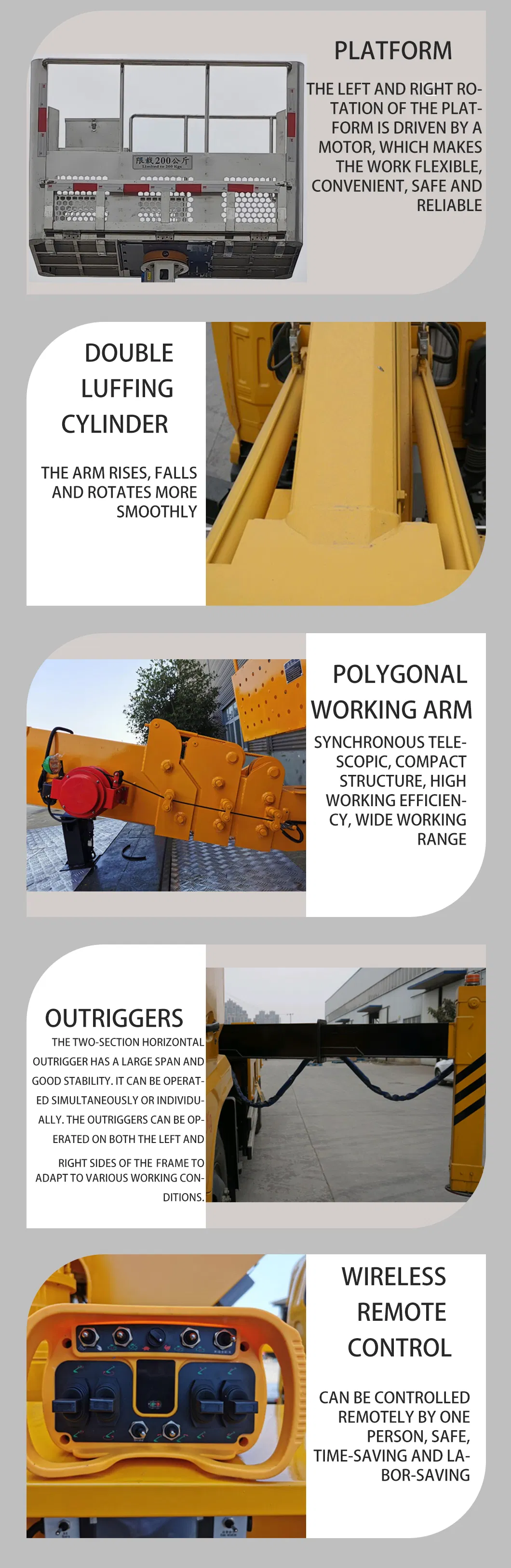
Safety is paramount: these vehicles feature interlocking between upper and lower parts, limit protection, soft leg protection, tilt alarm, emergency power source, two-way hydraulic balance valve, and weight detection protection.